Great Expressions Dental Centers: UX/HCD Design Specialist
Type: UX / UI / Research / HCD / Design
Client: Great Expressions Dental Centers
Role: UX Specialist - Product Designer
Prototype: LAUNCH »
Challenge:
Identify clinical workflow challenges with users across the Great Expressions Dental Centers (GEDC) Practice Management software migrating solutions to an improved cloud-based design.
Dental practices depend on practice management software to coordinate scheduling, patient records, billing, and clinical workflows. However, many systems evolved over time without a unified design strategy.
At Great Expressions Dental Centers, this resulted in fragmented workflows that slowed down front desk operations and created friction for clinical staff.
User pushback against current solution and the industry standard resulted in a deeper look into what users were looking for in the GEDC Practice Management Software. Strategic analysis based on current software standards and use was a key priority to establishing human-centered needs.
Process:
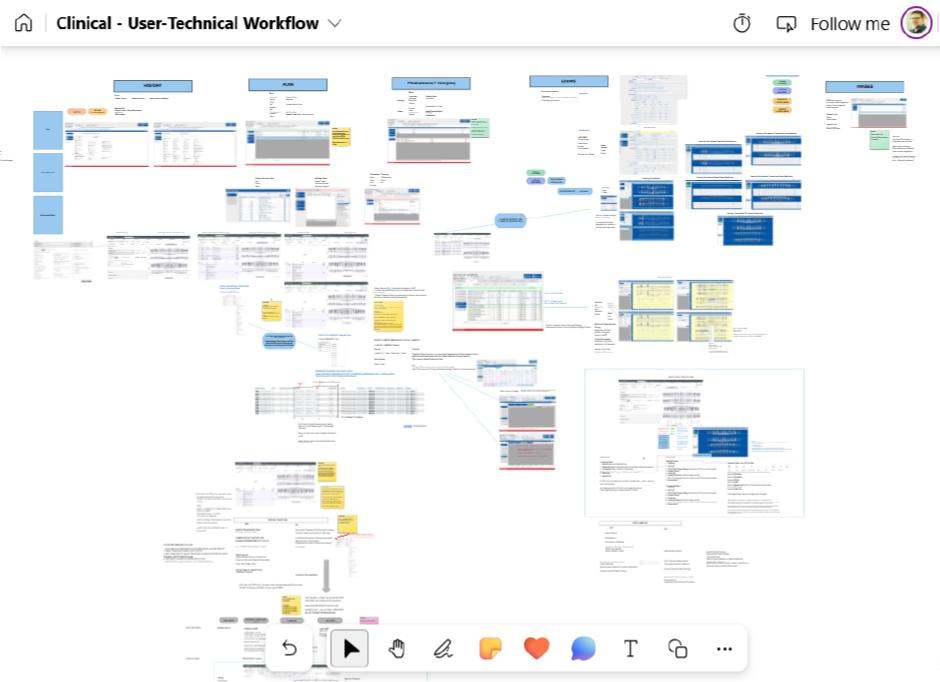
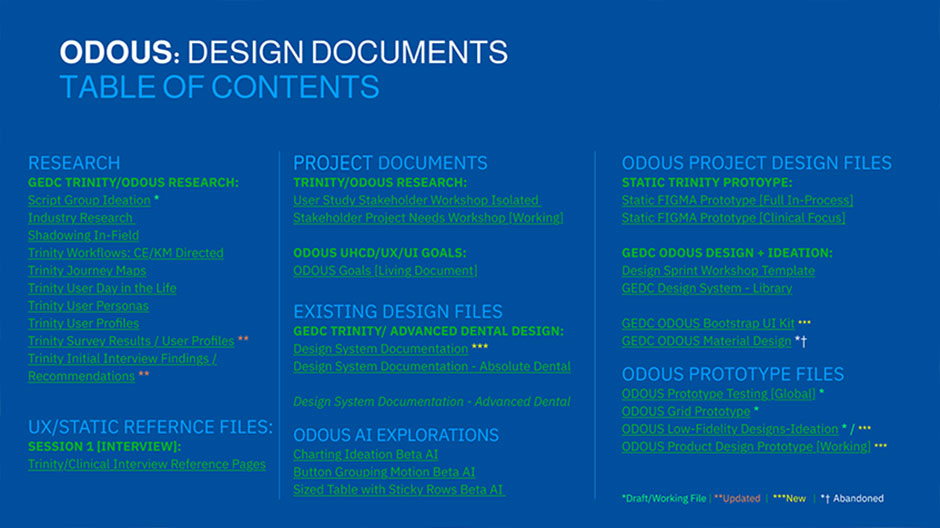
Application Deep Dive: The first step was deep diving into GEDCs Practice Management Software and really understanding the system, technical and user constraints. A static functional prototype was built to ensure full understanding of the product, it’s workflows, uses. It’s is important to gain a full scope of working knowledge of the application and user needs and this methodology was utilized to both create a focal point for improvements as well as track users, sections, functions, component needs and design system variances.
Practice Management Software and Use: Deep research across the dental industry included GEDC Practice Management process, workflow, day-in-the-life as well as external (industry standards) aligning the full process to the application and opening identifiers for integrated streamlined approaches and refined human behavioral needs to digital counterpart process and human-centered improvements.
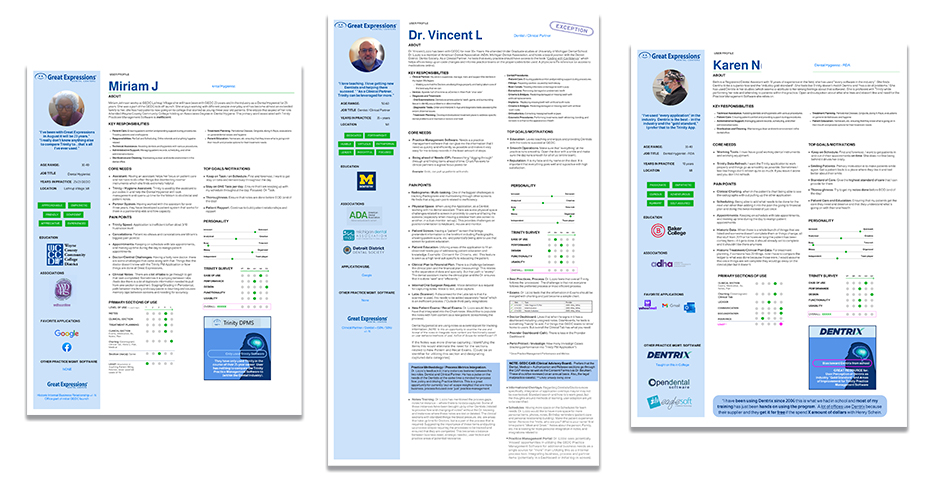
User Research & Discovery: Map the ecosystem of dental practice roles:
- Front Desk: Fast scheduling, insurance verification
- Hygienists: Patient history and charting access [Point of Focus]
- Dentists: Treatment planning and imaging integration [Point of Focus]
- Office Managers: Revenue reporting and operational oversight
- Patients: Clinical Communicaiton and sharing - appointment access and communicatio
Research Methods:
- Shadowing Dental Hygienists/Dentists workflows and contextual interviews
- Hygienists: Patient history and charting access [Point of Focus]
- Journey mapping patient intake and clinical requirements/documentation process
- GEDC PM and Competitive Heuristic UX audit
- Data reviews and future state ideation
Insights:
- A majority of users were unaware that the application had a key feature for tracking clinical exams, planning and documentation
- There was a knowledge gap between ways of working across the organization and access/implementation of preferred and standard methods of working
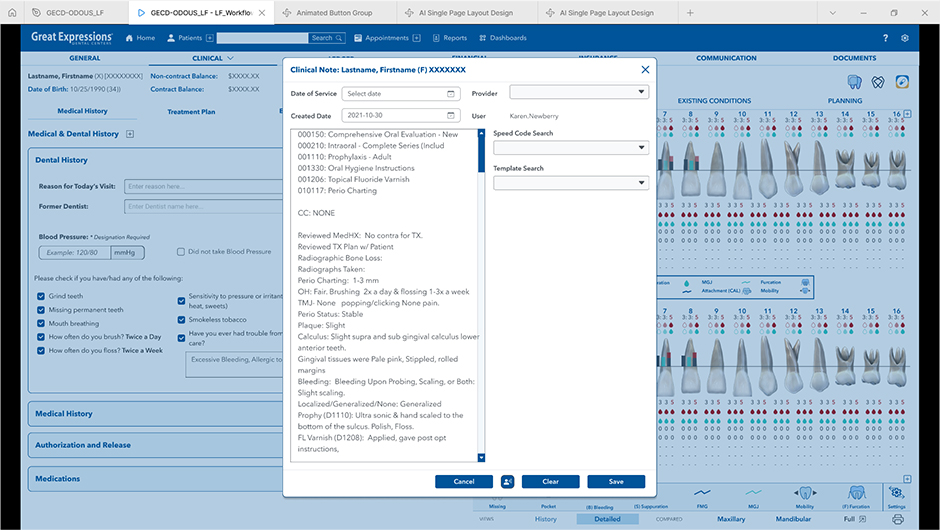
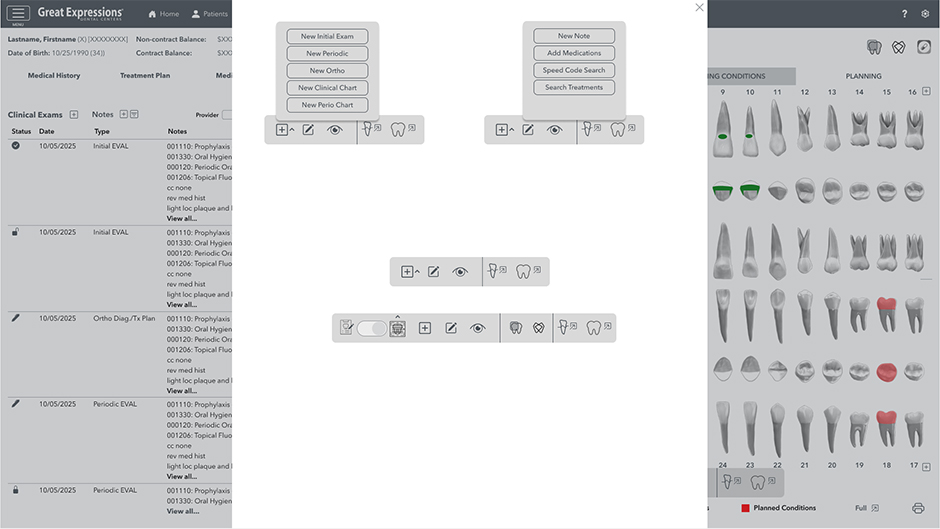
- Users were inundated with excessive screen pop-overs stifling work stream and cognitive memory across the entire application.
- The application lacked clear pathways and task completion identifiers between screens that leave users struggling to recall where they left off
- Clinical tracking requires two individuals to quickly identify gums and tissue measurements and needs.
- There is a standard for voice integrated clinical workflows that ensures fast and accurate clinical tracking and documentation — not found in the application.
Results:
Low-fidelity prototypes were constructed based on refined workflow, user journeys and needs.
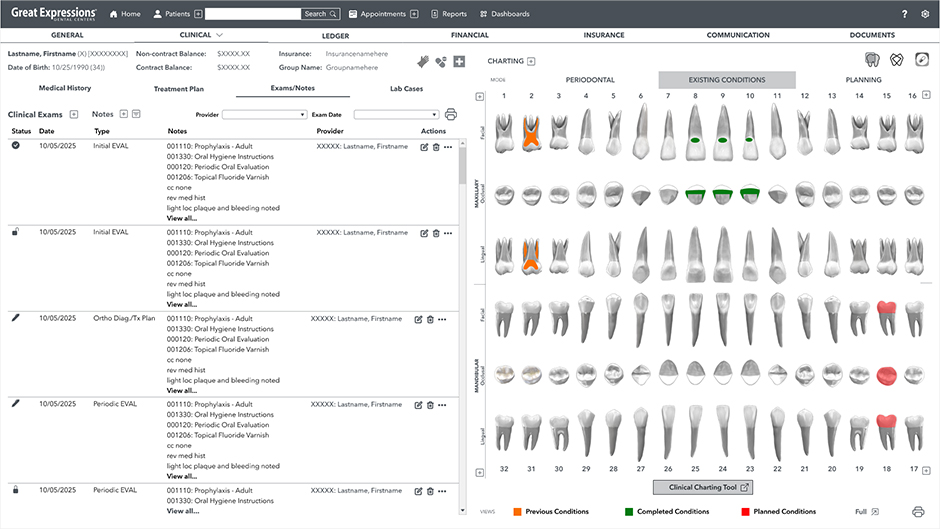
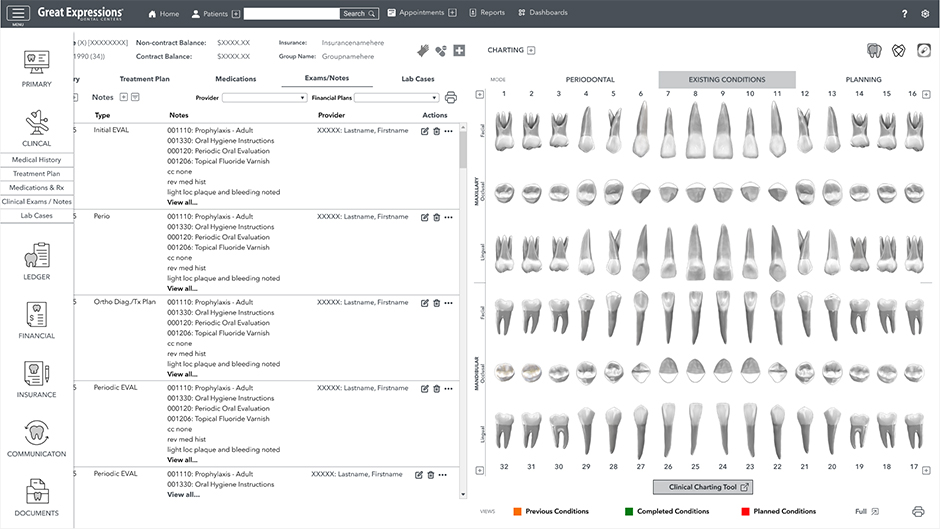
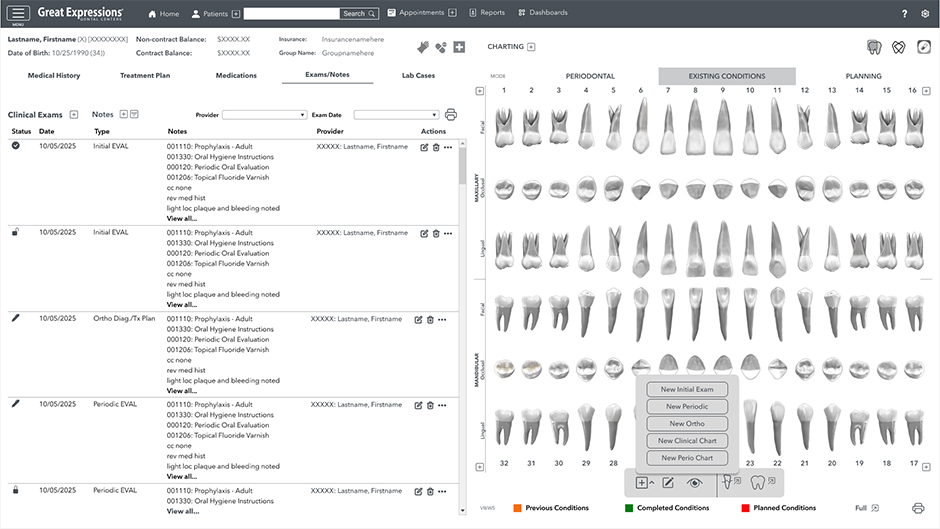
An extensive analysis was completed on the Clinical Section of GEDC Odous Practice Management Software.
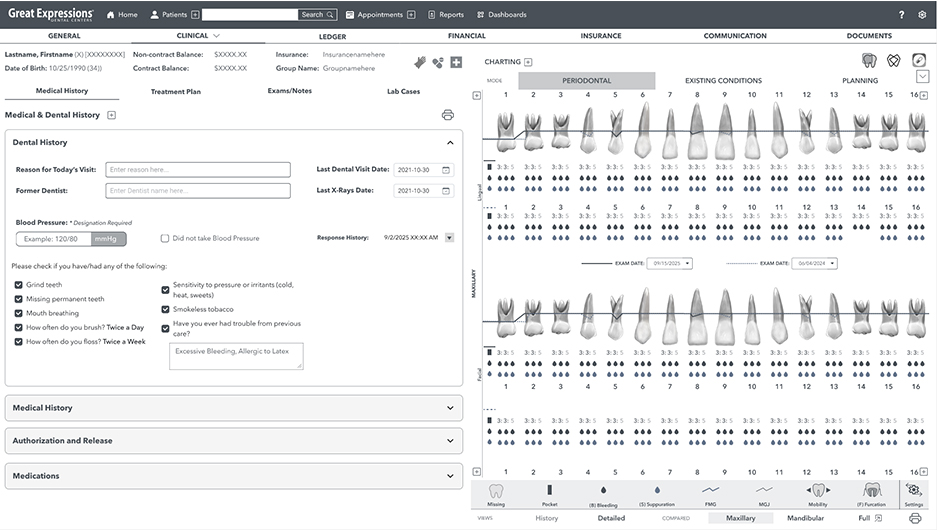
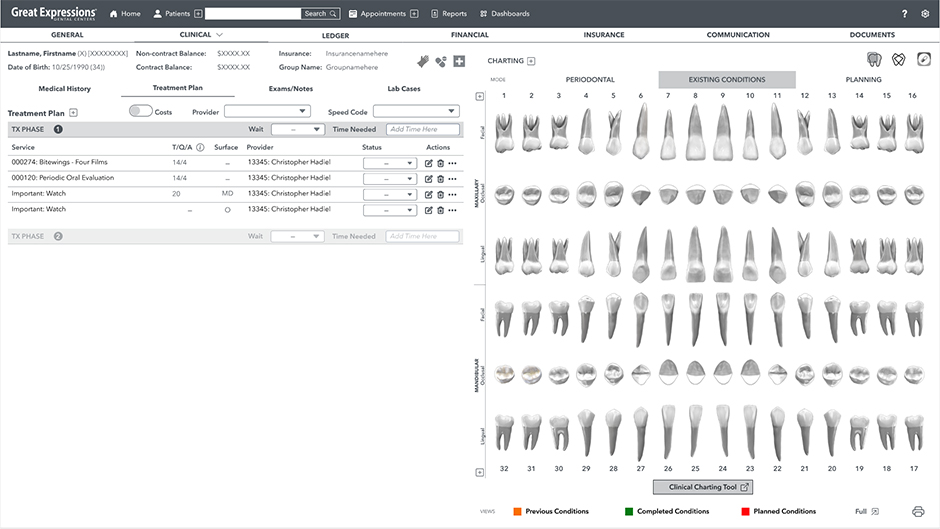
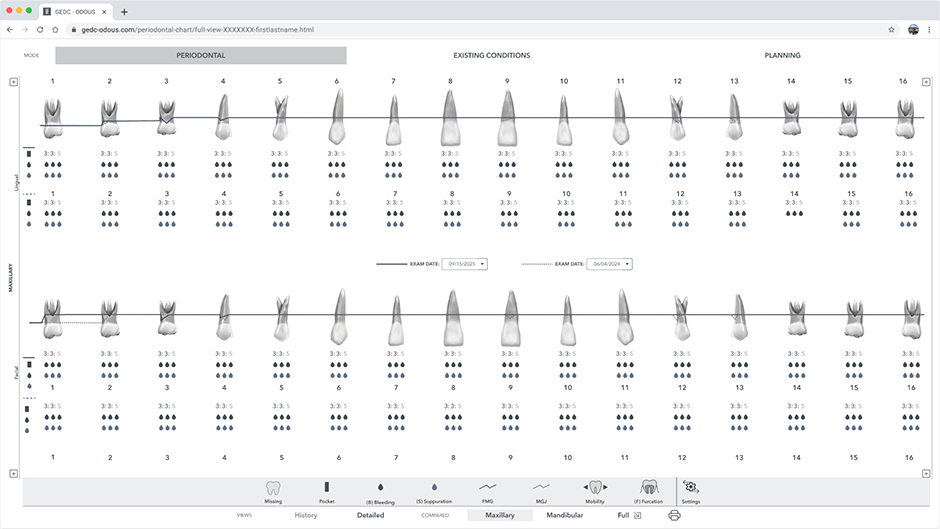
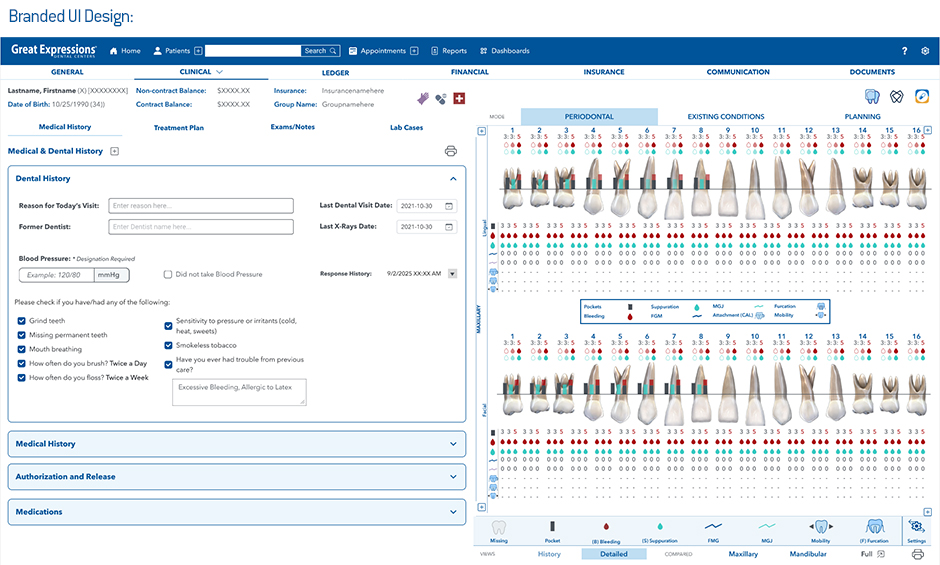
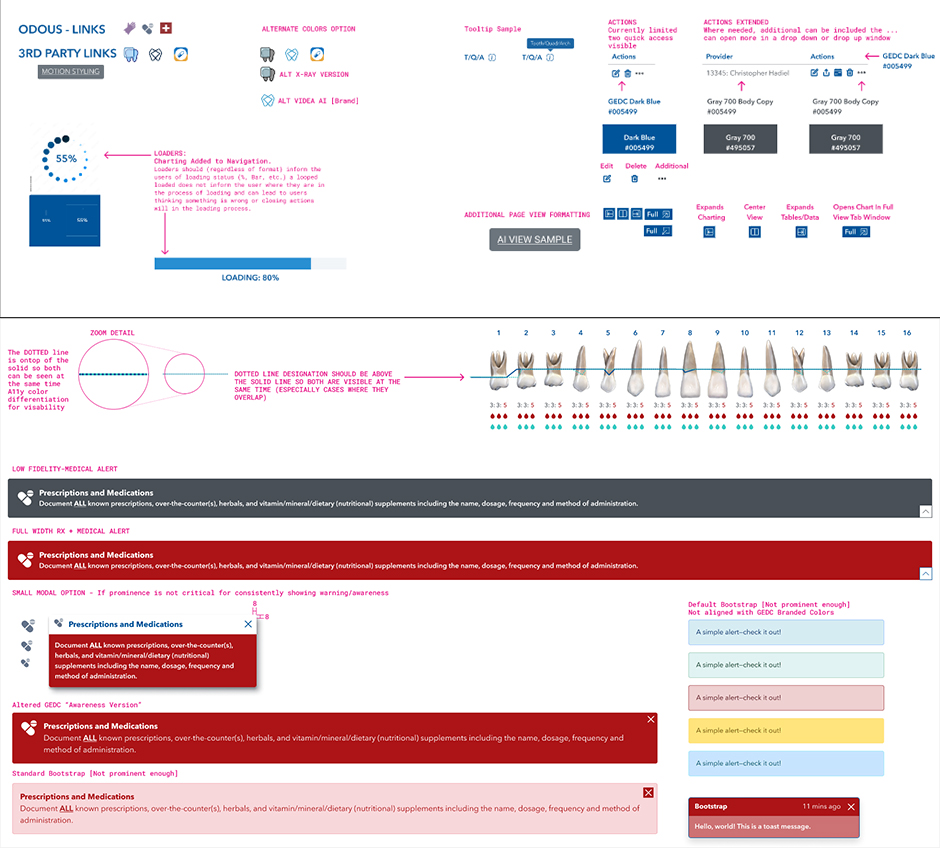
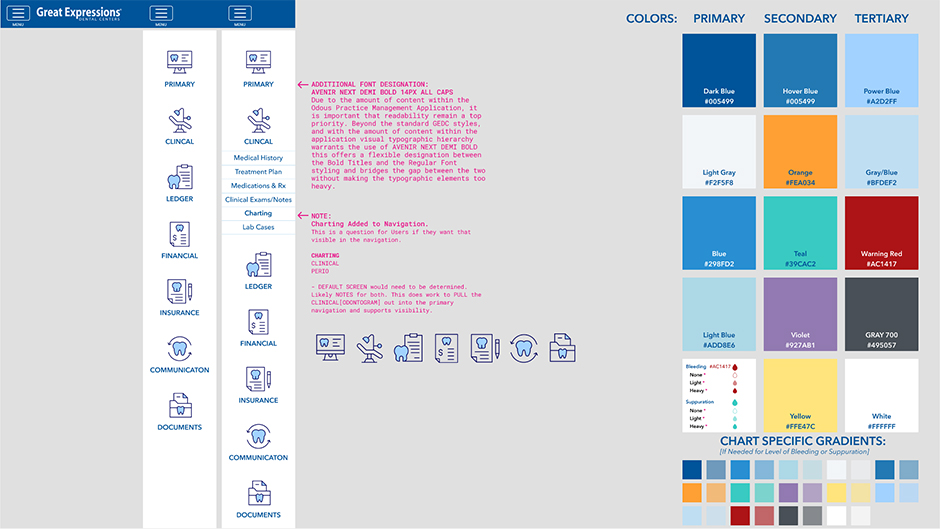
Enhancements to processes including navigational options, mergeed content, refined information arcicture and clinical charting (teeth, gums, existing and future conditions assessment, diagnosis and treatments.
UX/UI + HCD:
Continually putting users at the center of the process, I have managed, advocated and facilitated user-centric methodologies supporting project outcomes and strategic goals. This resulted in a highly-successful, high adoption rate and award-winning results both from a usably and design stand-point as well as highly functional solutions for CMS backend for third-party up-fitters allowing them to adapt the products that they develop into a user-friendly market focused solution. This design sprint is just one of many solutions that have resulted in quantifiable results reacting to user challenges, business, conversion and sales goals, KPIs, design standards of practice and ultimately a more enjoyable user experience overall.
Processes Used:
- Business and PMS Goals
- User Research + On-Site Shadowing
- Stake Holder Expert Interviews
- User Surveys and Interviews
- Competitor/Industry Analysis
- Invormation / UX Architecture
- Site Maps + User Flows
- Journey Mapping
- Lo-fidelity Sketching
- Product Features Analysis
- User Testing Prioritization
- Lo-fidelity Features Exploration
- Functional Prototypes
- User Testing Sessions
- User Pain Point Identification/Remediation
- Results Implementation/Planning
Defining the Problem:
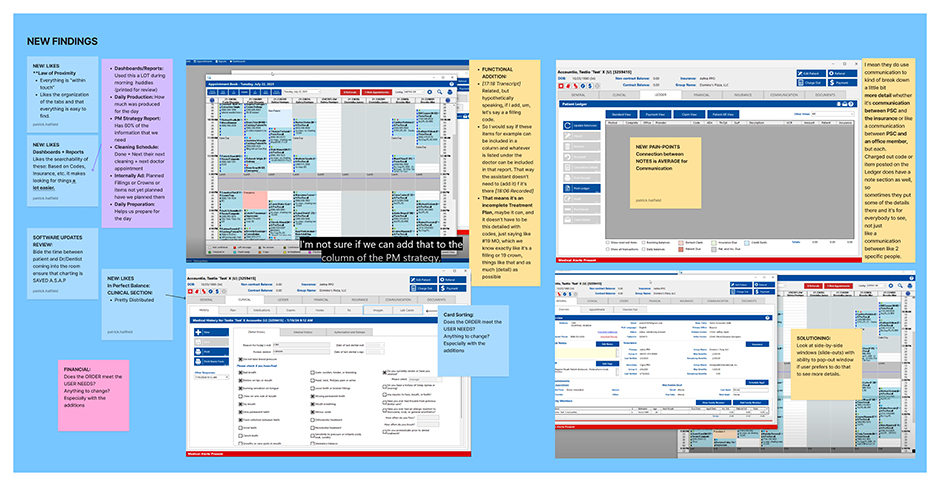
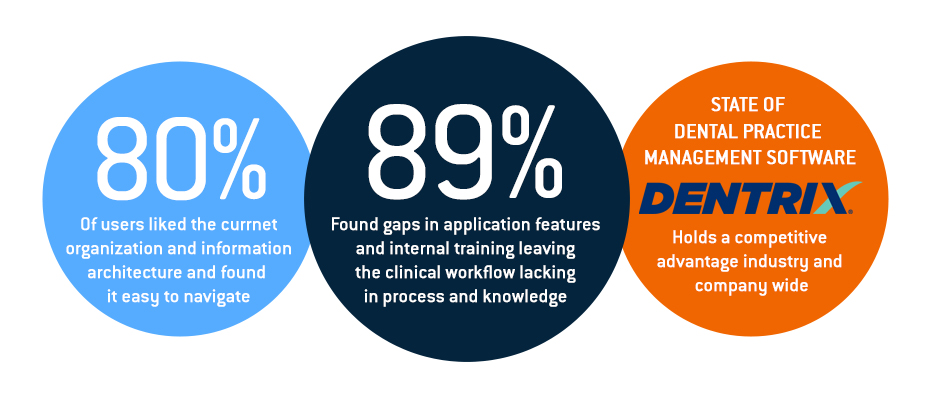
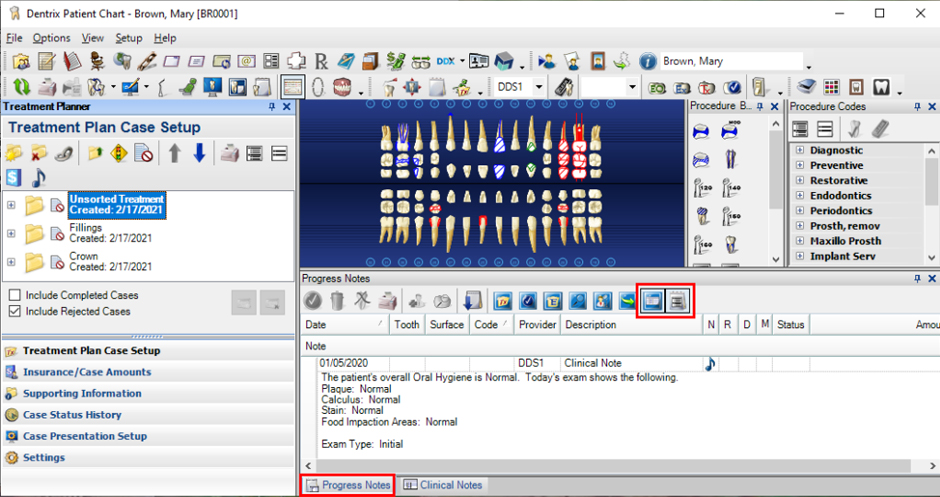
User Needs: Users overall liked the UI of the GEDC Practice Management Software, but many compared it to Dentrix (the industry leader). The most signifigant issue was the many overlay windows and pop-overs. Most users were frustrated that they had to dig layers down to get to the informaiton that felt most important within various clinical scenarios. Many of these were within fast-paced environments where time and accuracy is crucial.
Right away the analysis brought to light methods four-to-five levels down to the primary surface. Aligning these to actions based scenarios allowed for re-grouping and restructuring content and information architecture to prioritize required completion of tasks and requirements
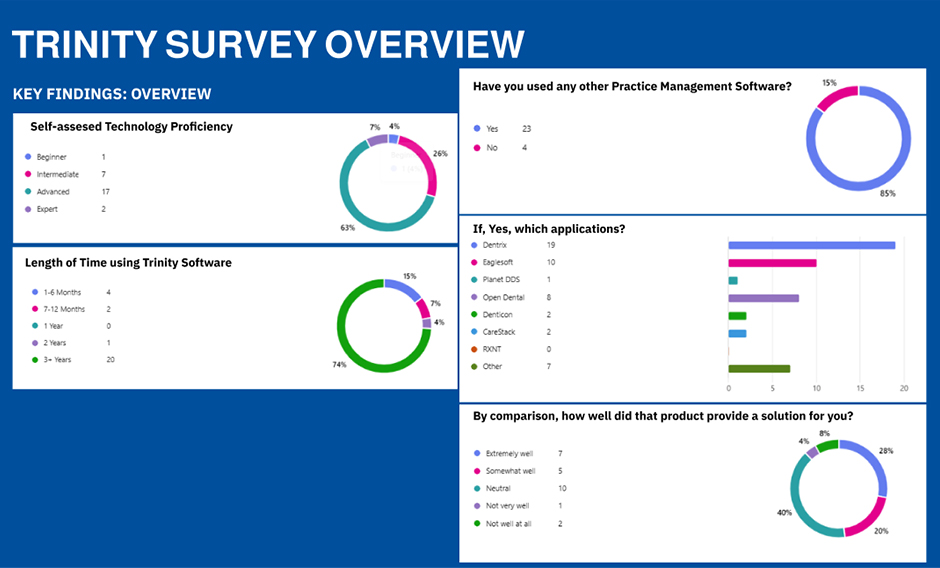
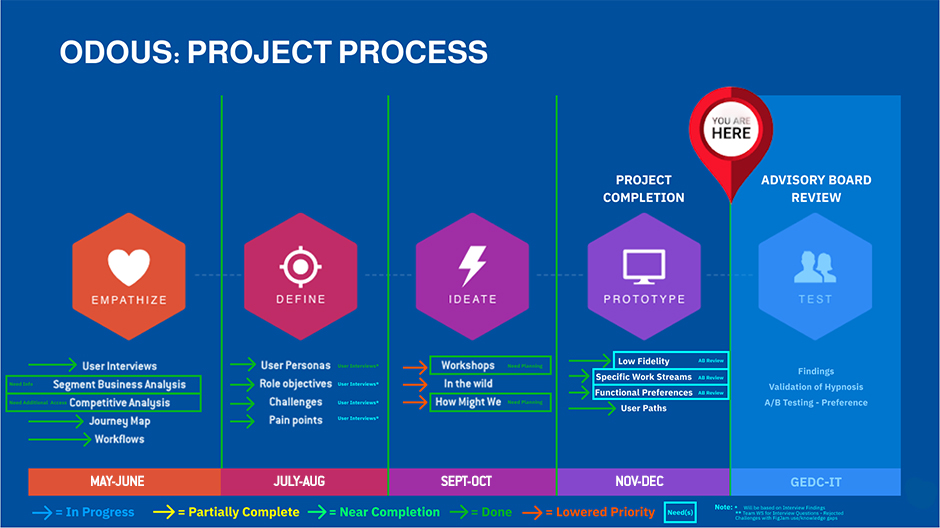
To better understand what drives users, base-line surveys were sent to get a general basis for where users are across the practice management software. Focus on developing post research review paired with functional prototypes that solved all user needs was the focus of this project. Gray-scale low-fidelity designs would then be presented to a newly formed Clinical Advisory Committee for final approals.
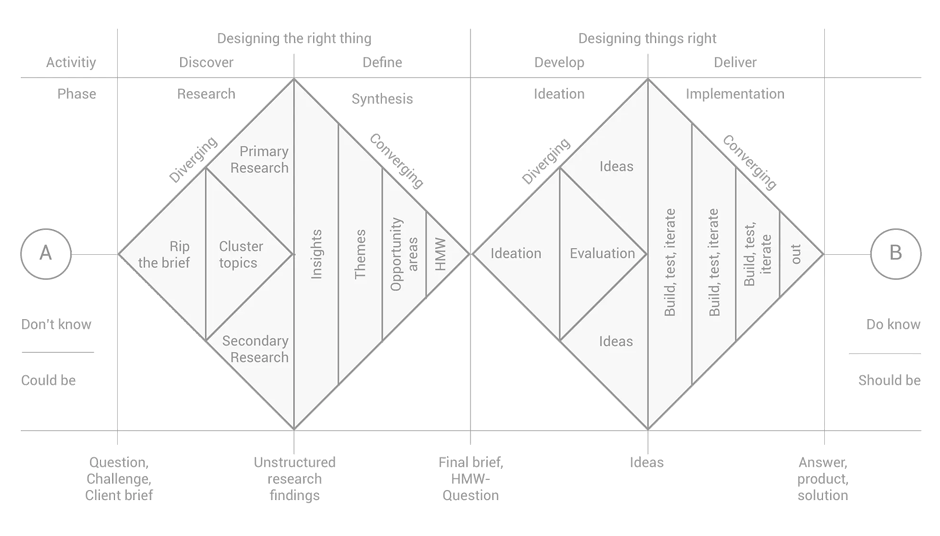
What does success look like?
- A practice management SaaS application that brings the most critical content to the forfront of solutions for users to quickly document past treatments, current identifed needs, future plans and treatments while maintaining accuracy, process and planning adhere to regulatory standards.
-
Phase 1: Deep Dive Research into the application, user paths, key requirements and documentation regulations meeting medical and dental standards of practice.
- Phase 2: Tandem static prototype (non-functional), deep industry research: day-in-the-life for each role, user surveys, user needs assessment and gap analysis/documentation.
-
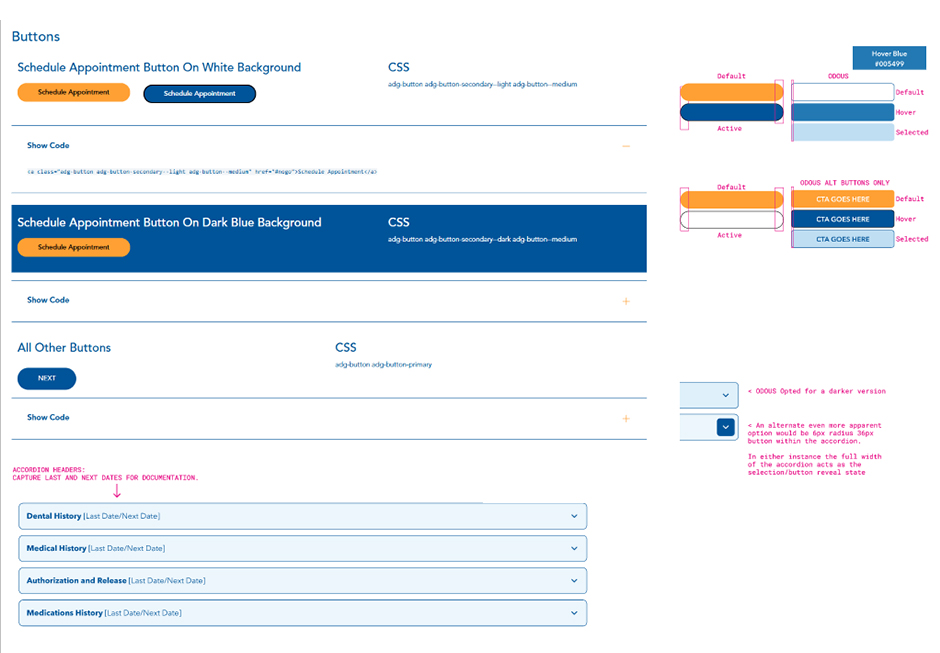
Phase 3: GEDC Design Guidelines merged into company first ODOUS Design System
-
Phase 4: AI-Assisted UX Concepts and Design Iteration harnessing industry best-of-the-best solutions
-
Phase 5: Fully functional low-, and high-fidelity working prototype with ODOUS Desgin System components, documentaiton and features highlights. Functional documentation and full product documentation for quick delivery of finalized designs into new development pipeline
See the final Prototype Launch